Why Do Koreans Make Kimchi All at Once? The Story of Kimjang

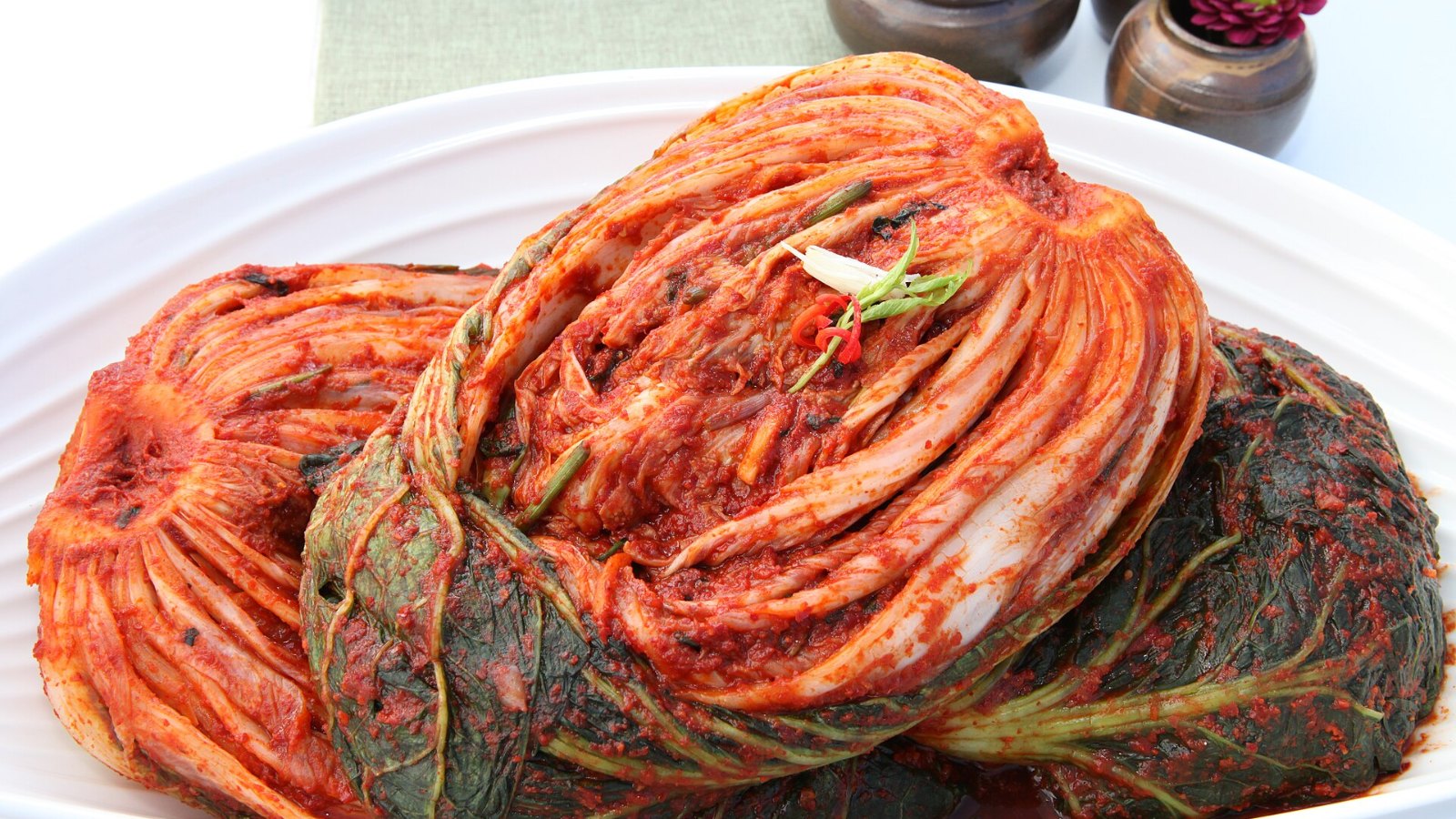
Come November, Korean markets pile up napa cabbages like small mountains, and people greet each other with “Did you do your kimjang yet?” Kimjang is the custom of making a whole winter’s worth of kimchi at once.
My mother’s kimjang didn’t start at the market. It started in a field. For her, kimjang began the day she planted radishes and cabbages in her small plot of land. And for a long time, I fought with her about it.
What is kimjang?
Kimjang means making kimchi from dozens of heads of cabbage at once to last through the winter. You salt the cabbage, julienne the radish, mix red pepper flakes, garlic, ginger, and salted seafood into a seasoning paste, and rub it between every leaf. The Encyclopedia of Korean Culture, published by the Academy of Korean Studies, defines kimjang as “the custom of making the kimchi for the whole winter all at once.”
The same encyclopedia describes kimjang as “a major household event that took more than half a year to prepare,” from salting seafood in spring to readying red peppers and garlic in early autumn and growing the vegetables. The making itself takes a day or two, but kimjang is really a year-long job. My mother’s kimjang, starting in her field, was exactly that.
The season comes around ipdong, the traditional start of winter in early November. According to the encyclopedia, the best time is when temperatures stay around 6 to 7°C (about 43 to 45°F) for two weeks or so. Cold mountain areas made kimchi earlier, while the warmer south waited until mid-December.
Why all at once? A way to get through winter
The reason was simple. Fresh vegetables were hard to find in winter. So people made kimchi in late autumn, when vegetables were most plentiful, and ate it until spring. The encyclopedia notes that kimjang kimchi was even called “half of winter’s food.”
The custom goes back a long way. Yi Gyu-bo, a writer of the Goryeo Dynasty, left a line about salting radishes to prepare for winter. In the early Joseon Dynasty, the royal palace even had an office in charge of it. The Annals of King Taejong record that a bureau called Chimjanggo (沈藏庫) was set up and abolished more than once, and the modern Korean translation of the Annals explains it as “the storehouse that made kimjang kimchi for the palace.” A late-Joseon almanac of seasonal customs, Dongguk Sesigi, counted making sauces in spring and kimjang in winter among a household’s most important plans for the year.
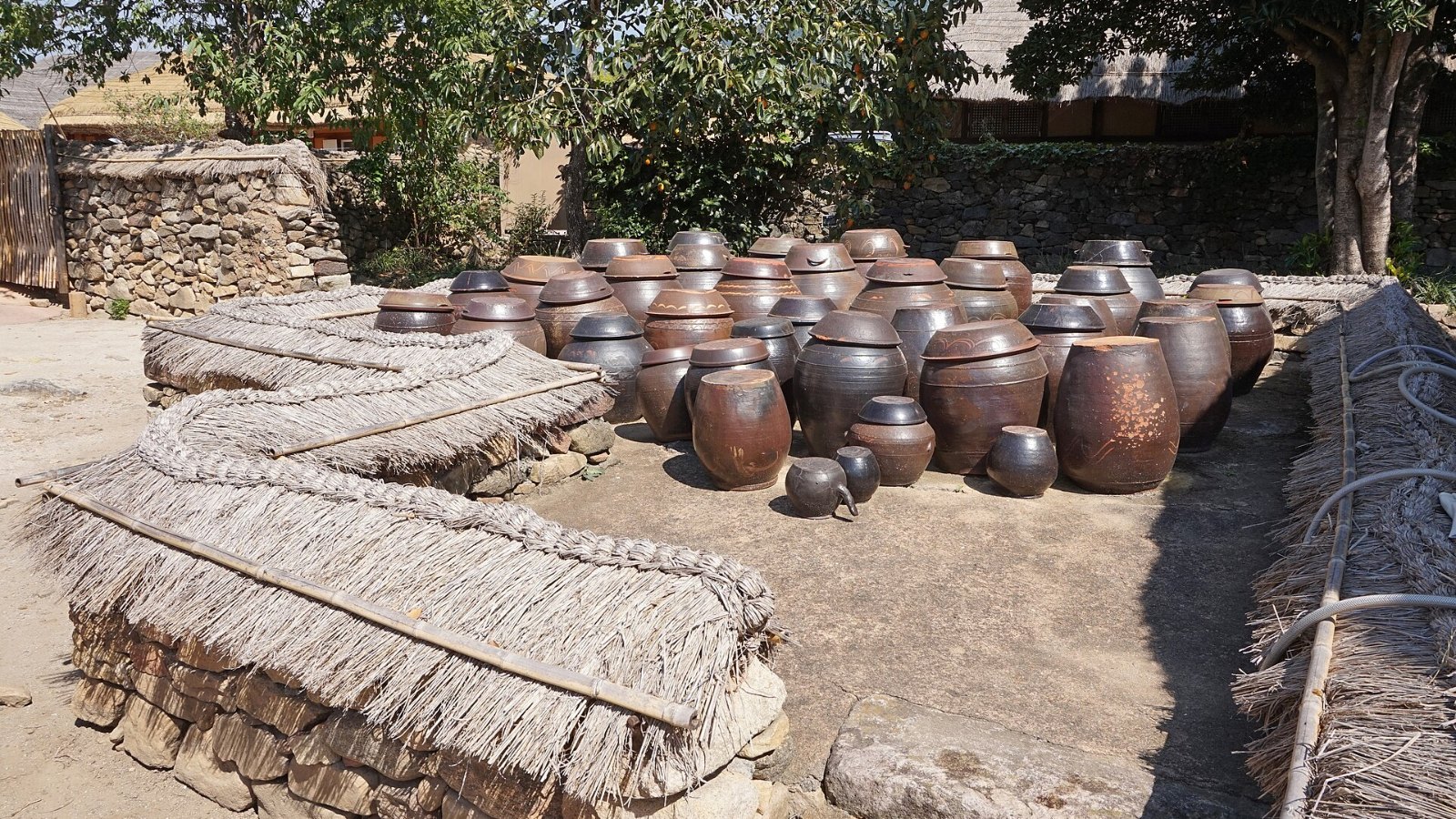
Once made, kimchi went into earthenware jars buried in the ground: cold enough not to freeze, so it could ferment slowly until spring. Today, with no yard to bury jars in, a kimchi refrigerator does the job. Korea is a country where many homes have a refrigerator just for kimchi, which often surprises foreigners.
Why together? The more you share, the bigger it gets
Washing the cabbage, cutting the radish, and mixing the seasoning for just one household took two or three days. So neighbors took turns helping with each other’s kimjang. The encyclopedia records that the host family boiled pork for the helpers to wrap in tender inner cabbage leaves with the seasoning, and when the work was done, shared the leftover salted cabbage and filling. Poorer families sometimes made their own kimjang with the cabbage and seasoning they earned by helping others.
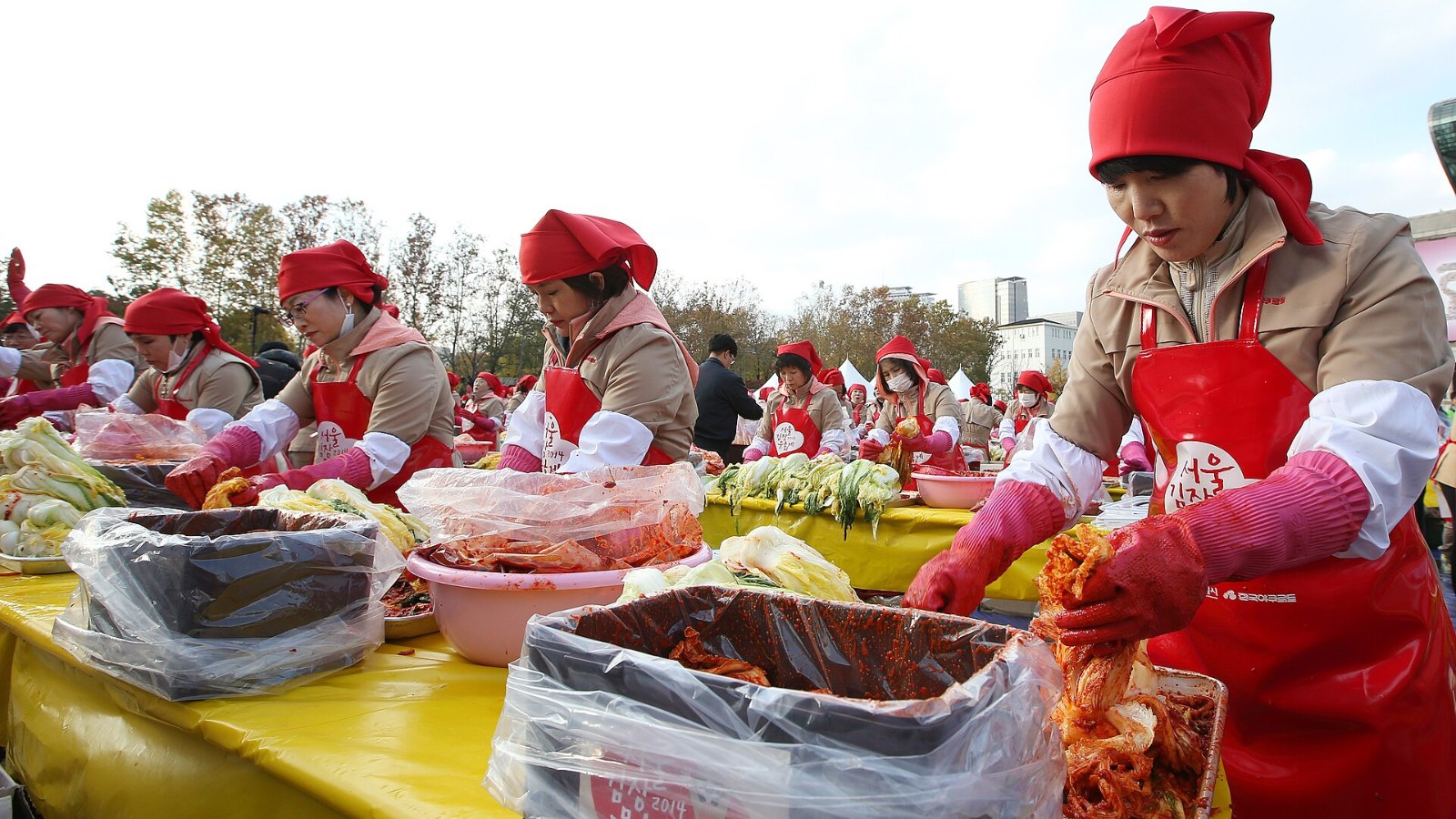
In 2013, UNESCO inscribed this custom on its list of the Intangible Cultural Heritage of Humanity under the name “Kimjang, making and sharing kimchi in the Republic of Korea.” The weight is on the making and sharing, not just the food. UNESCO describes how communities make and share large quantities of kimchi in late autumn, and how skills and ideas pass between households as they exchange kimchi.
My mother’s way of sharing was a little different. Every year, she invited her brothers and sisters. Not to put them to work. She planted, harvested, washed, and salted the cabbages and radishes for their share too, all by herself. Her siblings came the next day just to mix in the seasoning and take their kimchi home. That kimchi made its way to us, her children, as well. It was less a fair exchange of labor than one person carrying the hard part so everyone else could receive. It was a parent’s kind of love, flowing downward.
Kimjang today
Kimjang is fading. Fresh vegetables are easy to buy even in winter, and apartments have no ground to bury jars in. Many families now order pre-salted cabbage and only do the seasoning, and many simply buy finished kimchi. As the encyclopedia puts it, the idea of kimjang as half of winter’s food is losing its hold.
Still, kimjang lives on in other forms. Every late autumn, local governments and volunteer groups hold kimjang-sharing events, making kimchi together for neighbors in need. In 2020, the Kimchi Industry Promotion Act made November 22 an official day: Kimchi Day. The date reflects the idea that kimchi takes at least 11 ingredients and offers 22 benefits.
In my family, kimjang shrank for a different reason. We children argued with our mother for years to stop. Starting from tilling the field, she grew and salted cabbage for several households by herself, every single year, at an age when she shouldn’t have. That fight went on for a long time.
What I think, as a Korean
In the end, my mother did stop. Not because she lost the argument with her children. She grew older, and the years made her stop.
We got what we wanted, but it doesn’t feel light. We fought her every year to stop that hard work, yet what comes to mind now isn’t the fighting. It’s kimjang day, with all her brothers and sisters gathered, talking over each other, laughing, and cooking something delicious together.
What kimjang leaves behind isn’t only the kimchi that gets you through the winter. Good memories like those outlast the hard ones.
If you want to know more
- Kimchi isn’t just one thing. The Encyclopedia of Korean Folk Culture from the National Folk Museum of Korea notes that more than 200 kinds of kimchi have been reported, though the exact number depends on how you count. There’s kkakdugi made with cubed radish, refreshing water kimchis like dongchimi and mul-kimchi, baek-kimchi made without red pepper, summer yeolmu-kimchi with young radish greens, stuffed cucumber kimchi, mustard-leaf kimchi, and many more, varying by ingredient and region.
- Kimjang is mostly about cabbage kimchi. The star of kimjang is whole napa cabbage with seasoning tucked between the leaves, usually made alongside radish kimchis like kkakdugi or dongchimi. The red cabbage kimchi most foreigners know simply as “kimchi” is exactly what Koreans make at kimjang.
- If you’re in Korea in November, look for kimjang experiences at local community centers, cultural centers, or kimchi museums. Many events are held around Kimchi Day on November 22.
- If you’re invited to someone’s kimjang, go. Put on rubber gloves, help mix the seasoning, and wrap freshly made kimchi around boiled pork. That’s the best part of kimjang day.